AI Screened My Resume
I sent the same resume to five different AI screening systems. The results? Shocking, educational, and honestly a bit frustrating.
The Experiment
I wanted to understand how AI resume screening actually works. Not the theory from blog posts, but the real, practical experience. So I created a solid resume—good experience, clear formatting, relevant keywords—and submitted it to five popular applicant tracking systems (ATS).
Same resume. Five different systems. Wildly different results.
What I Found
System 1: The Keyword Obsessed
This one rejected me immediately. Why? I used "managed" instead of "led." I wrote "increased revenue" instead of "drove revenue growth." The AI was looking for exact keyword matches, and my perfectly valid synonyms didn't cut it.
Lesson: Some systems are literal. Use the exact words from the job description.
System 2: The Format Fanatic
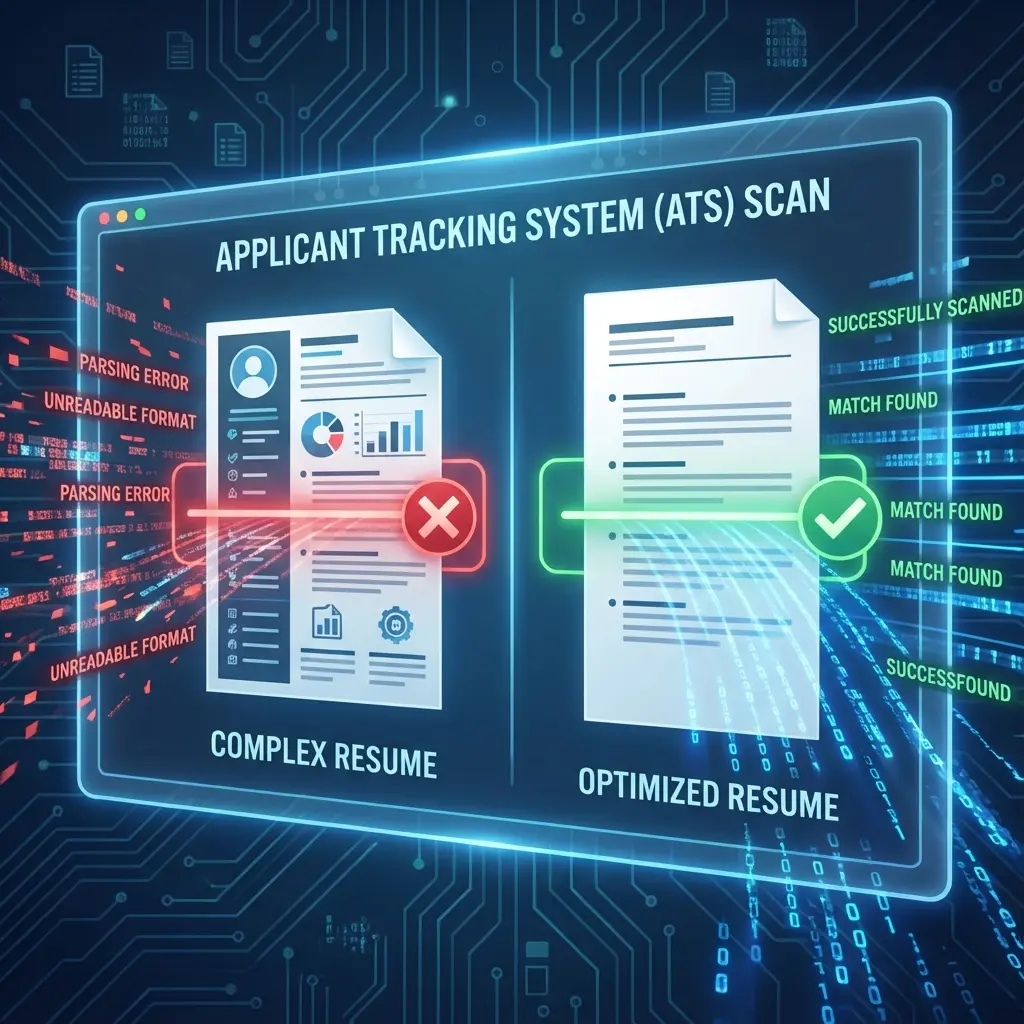
My resume had a two-column layout. Clean, modern, easy to read for humans. The AI? It read my skills section as part of my job title. My education ended up in my work experience. Complete chaos.
Lesson: Stick to simple, single-column formats for ATS submissions.
System 3: The Experience Calculator
This system scored me based purely on years of experience. I had 4 years in my field. The job wanted 5+. Instant rejection, despite my achievements being exactly what they needed.
Lesson: Some systems use hard cutoffs. If you're close but not exact, you might not even get human eyes on your resume.
System 4: The Skills Matcher
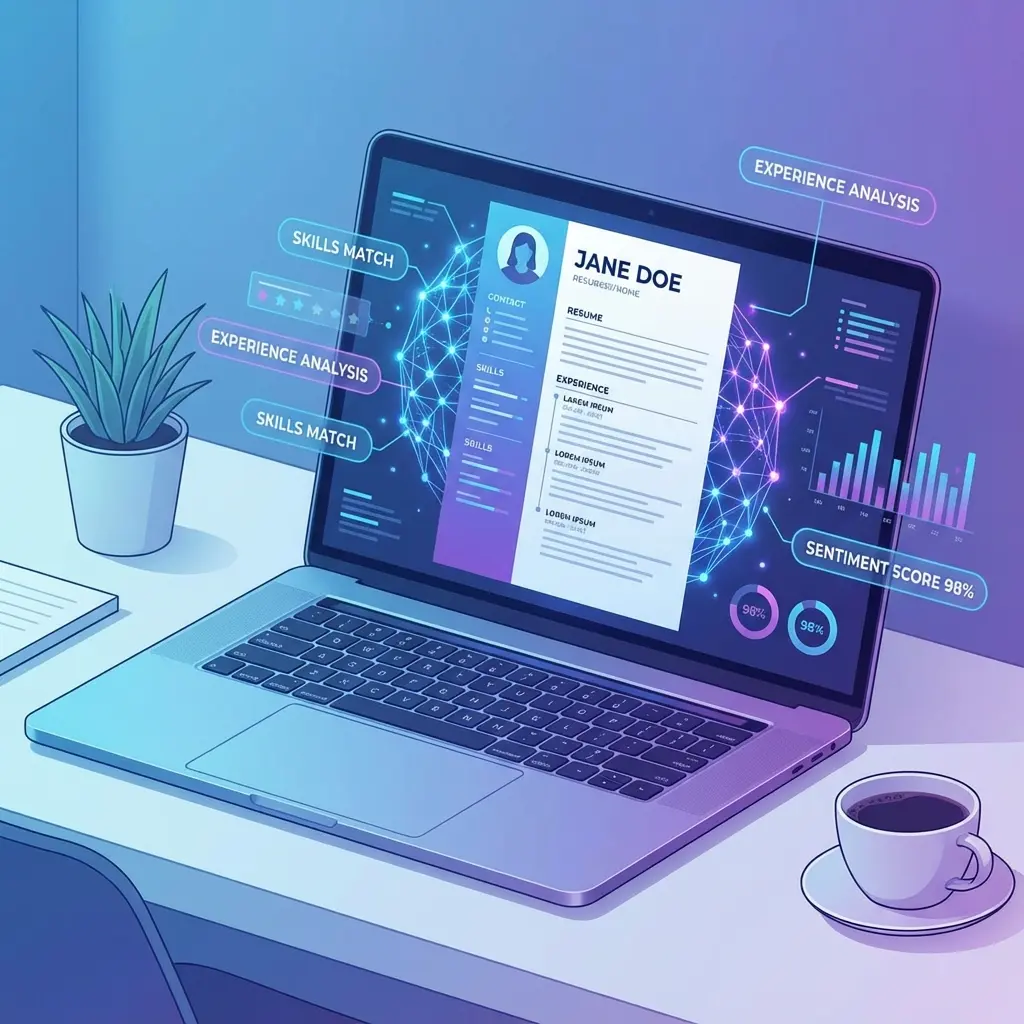
Finally, one that made sense! This AI looked at my actual skills and matched them to the job requirements. It didn't care about exact wording or formatting tricks. It understood that "project management" and "managed projects" mean the same thing.
Lesson: The best systems use semantic matching, not just keyword counting.
System 5: The Mystery Box
I still don't know why this one rejected me. My resume scored well on everything I could measure, but the AI said "not a match." No explanation, no feedback, just... no.
Lesson: Sometimes, you'll never know. And that's the most frustrating part.
The Real Takeaway
AI resume screening isn't one thing—it's dozens of different systems with different priorities. Some are smart. Some are dumb. Most are somewhere in between.
You can't optimize for all of them. But you can improve your odds:
- Use keywords from the job description (but naturally)
- Keep formatting simple (single column, standard fonts)
- Quantify achievements (numbers stand out to AI)
- Match the experience requirements (if you're close, apply anyway)
- Apply to multiple companies (different systems = different chances)
The good news? Companies are getting better at this. The systems I tested in 2024 were smarter than the ones from 2022. They're learning.
But until they're perfect, you need to play the game. Understand the rules. Optimize where it matters. And remember: getting past the AI is just step one. The real interview is with humans.
What This Means for You
If you're job searching right now, don't just send the same resume everywhere. Look at each job description. Adjust your keywords. Check your formatting. Test your resume through a free ATS scanner.
It's extra work. But it's the difference between getting interviews and getting auto-rejected.
I learned this the hard way so you don't have to.