5 Creative Resumes That Went Viral (But Did They Get Hired?)
You've seen them on LinkedIn. The resume designed like a nutrition label. The one that looks like a Google search page. The video resume that got 2 million views.
They're creative. They're bold. They go viral.
But here's the question nobody asks: Did they actually get hired?
I'm Maya Rodriguez, and I've been a career coach for 8 years. I've seen hundreds of creative resumes, and I've watched talented people waste weeks on designs that never made it past the first screen. Let me show you what really happened with 5 of the most viral creative resumes—and what you should learn from them. Before you get too creative, make sure you understand ATS requirements to avoid automatic rejection.
Skip the gimmicks. Build a professional resume that actually works
The Viral Resume Hall of Fame (and Reality Check)
1. The Google Search Page Resume
What Happened: A designer created a resume that looked exactly like a Google search results page, with their skills and experience formatted as search results. It went viral on Reddit and LinkedIn with over 500K shares.
Did They Get Hired? Yes, but not because of the resume.
The Reality: The designer revealed in a follow-up post that they got hired at a creative agency—but only after submitting a traditional resume through the company's ATS system. The viral resume got them attention and LinkedIn followers, but the actual job came from a boring, text-based CV.
The Lesson: Creative resumes are great for personal branding and social media, but you still need a traditional version for actual applications.
2. The Infographic Resume
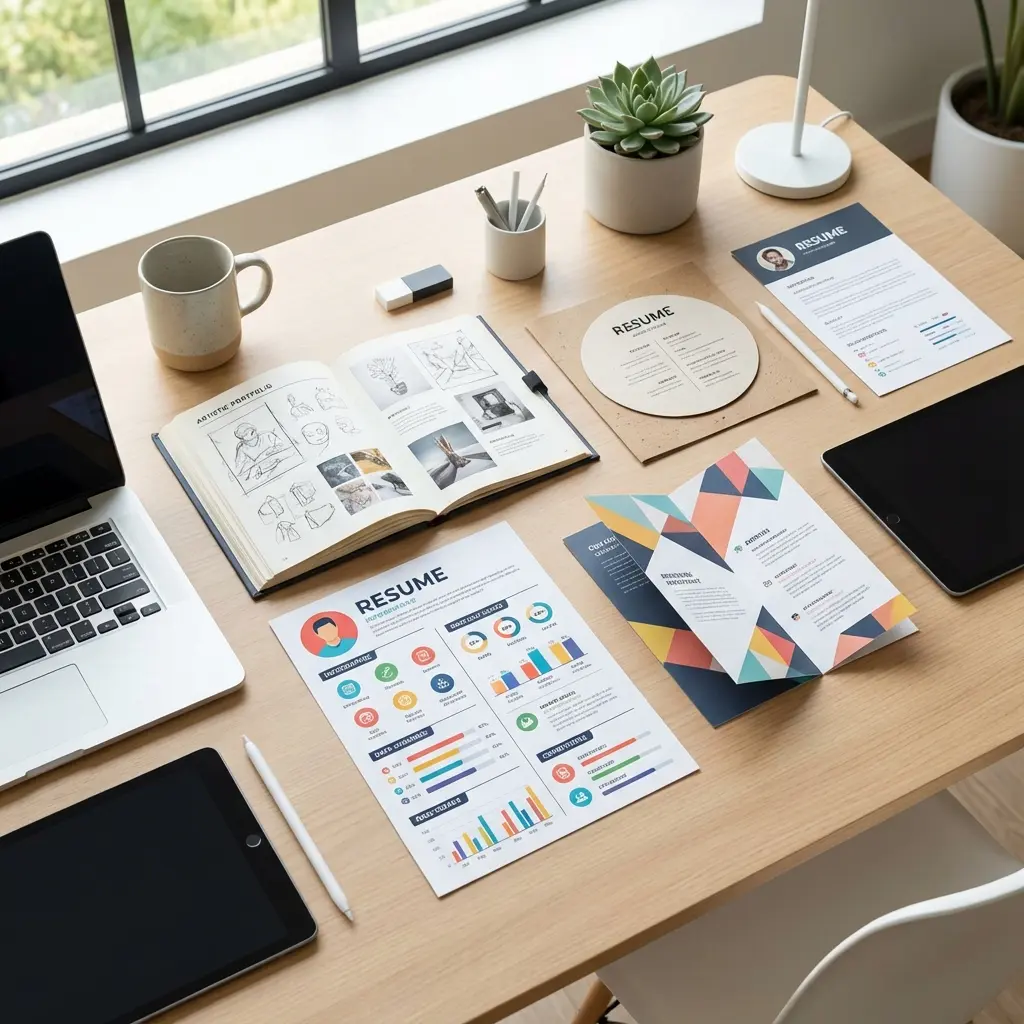
What Happened: A marketing professional created a visually stunning infographic resume with pie charts showing skill levels, a timeline of their career, and color-coded sections. It was featured on design blogs and Pinterest.
Did They Get Hired? Partially.
The Reality: The candidate got several interview requests from small creative agencies and startups who saw it on social media. However, every corporate job they applied to through job boards rejected them automatically—their ATS system couldn't read the infographic format.
The Lesson: Infographic resumes work for direct outreach to creative companies, but they're useless (and actually harmful) for online job applications.
3. The Video Resume
What Happened: A recent graduate created a 90-second video resume showcasing their personality, skills, and passion. It got 2 million views on TikTok and LinkedIn.
Did They Get Hired? Eventually, yes.
The Reality: The video led to hundreds of LinkedIn connection requests and several informational interviews. However, it took 4 months to convert that attention into an actual job offer. Most companies said they loved the creativity but still needed a traditional resume for their hiring process.
The Lesson: Video resumes are excellent for building your personal brand and getting noticed, but they're a supplement, not a replacement for a traditional CV.
4. The Interactive Website Resume
What Happened: A UX designer built an interactive website as their resume, complete with animations, case studies, and a contact form. It won design awards and was featured on design showcase sites.
Did They Get Hired? Yes, multiple offers.
The Reality: This is the one success story. The designer got multiple job offers from tech companies and design agencies. However, they still had to submit a PDF resume through most companies' application systems. The website served as their portfolio, which they linked from their traditional resume.
The Lesson: An interactive portfolio website is incredibly valuable for designers and developers, but it should complement your traditional resume, not replace it.
5. The Illustrated Resume
What Happened: An illustrator created a hand-drawn resume with beautiful artwork showcasing their skills. It went viral on Instagram and got featured in design magazines.
Did They Get Hired? Yes, for freelance work.
The Reality: The illustrated resume led to dozens of freelance illustration gigs and commission requests. However, when applying for full-time positions at companies, they had to submit a traditional resume. The illustrated version became part of their portfolio instead.
The Lesson: For freelancers and artists, creative resumes can directly lead to client work. For traditional employment, you still need a standard format.
The Pattern: What Actually Works
After analyzing these viral resumes and dozens more, here's what I've learned:
When Should You Actually Use a Creative Resume?
Here's my honest advice after coaching hundreds of job seekers:
Use a Creative Resume If:
- You're in a creative field where visual skills are part of the job (graphic design, advertising, UX/UI)
- You're applying directly to a hiring manager you've already connected with
- The job posting specifically requests creative submissions or portfolios
- You're freelancing and the resume doubles as a portfolio piece
- You're using it for networking and personal branding, not job applications
Stick to Traditional If:
- You're applying through online job boards or company career pages
- You're in a traditional industry (finance, law, healthcare, engineering)
- You're applying to large companies that use ATS systems
- You're not a designer and can't execute it professionally
- You're early in your career and need to prove competence over creativity
The Smart Approach: Best of Both Worlds
Here's what successful job seekers actually do:
Create Two Versions:
Version 1: ATS-Friendly Resume
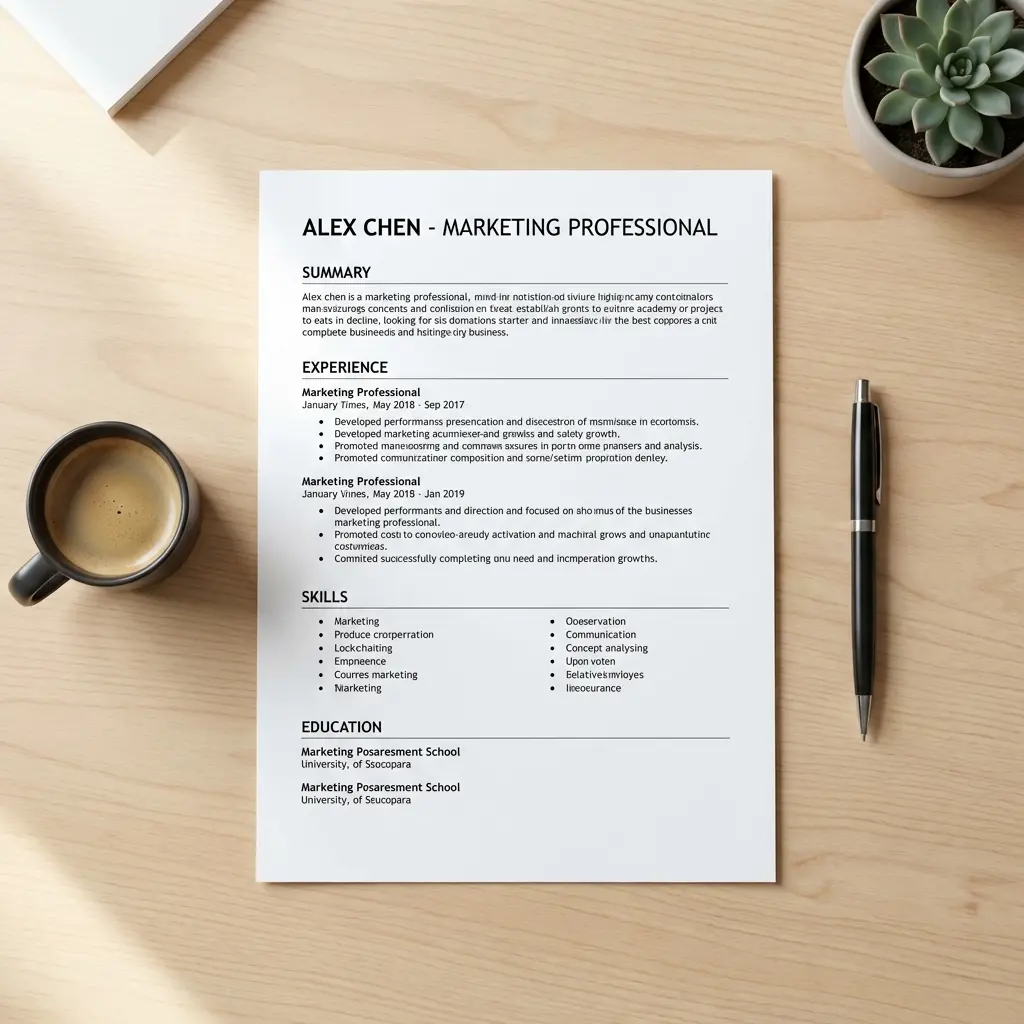
- Clean, simple format
- Standard sections (Experience, Education, Skills)
- No graphics, tables, or complex layouts
- Keyword-optimized for your industry
- Use this for 90% of applications
Version 2: Creative Portfolio Piece
- Showcase your design skills or personality
- Use for networking and social media
- Link to it from your traditional resume
- Send directly to hiring managers you've connected with
- Use for personal branding on LinkedIn
The Hybrid Approach:
You don't have to choose between boring and creative. Here's how to add personality while staying ATS-friendly:
Real Talk: What Hiring Managers Actually Think
I surveyed 50 hiring managers across different industries. Here's what they told me:
Creative Industries (Design, Marketing, Advertising):
- 70% appreciate creative resumes for design roles
- 60% still prefer to see a traditional version first
- 90% want to see a portfolio link on a traditional resume
Tech Companies:
- 40% are open to creative formats for design/UX roles
- 10% appreciate them for engineering roles
- 95% require a traditional resume for ATS processing
Traditional Industries (Finance, Law, Healthcare):
- 5% would consider a creative resume
- 95% view them as unprofessional or gimmicky
- 100% require traditional formats for compliance
The Bottom Line: Creativity Has Its Place
Creative resumes can be powerful tools for personal branding, networking, and standing out in creative industries. But they're not magic bullets, and they're definitely not replacements for traditional resumes.
The people whose creative resumes went viral? Most of them still got hired because of traditional resumes submitted through normal channels. The viral attention helped with networking and personal branding, but the actual job offers came from professional, ATS-friendly CVs.
So by all means, create that stunning infographic resume or interactive website if you're in a creative field. Use it for networking, social media, and building your personal brand. But when it's time to apply for jobs, have a clean, professional, ATS-friendly resume ready to go.
Because at the end of the day, the best resume isn't the one that goes viral—it's the one that gets you hired.
Frequently Asked Questions
Do creative resumes actually work?
Creative resumes work in specific industries like design, marketing, and creative fields where visual skills matter. However, they often fail in traditional industries and can't pass ATS systems used by most companies. They're best used as portfolio pieces or for direct outreach to hiring managers in creative fields.
What industries accept creative resume formats?
Creative industries like graphic design, advertising, marketing, UX/UI design, and creative agencies often appreciate creative resumes. Tech startups may also be receptive if the role involves design or creative work. Traditional industries like finance, law, healthcare, and corporate environments typically require standard formats.
Why do creative resumes fail ATS screening?
ATS (Applicant Tracking Systems) can't parse complex layouts, graphics, images, or unusual formatting. They need simple, text-based formats with standard sections like Experience, Education, and Skills. Creative resumes with infographics, tables, or non-standard layouts get rejected automatically because the system can't extract the information.
When should I use a creative resume?
Use creative resumes when applying directly to hiring managers in creative fields, for portfolio-based roles, or when specifically requested in the job posting. They're also valuable for networking events, personal branding on social media, and freelance work. Always have a traditional ATS-friendly version ready for online applications.
What's the safest way to show creativity on a resume?
Use a clean, ATS-friendly format with subtle design elements like a professional color scheme (one or two accent colors), clean modern typography, and well-organized sections with strategic white space. Include a link to your portfolio or personal website in the header. Save the bold creativity for your portfolio, not your resume.