Is ChatGPT Writing Better Cover Letters Than You?
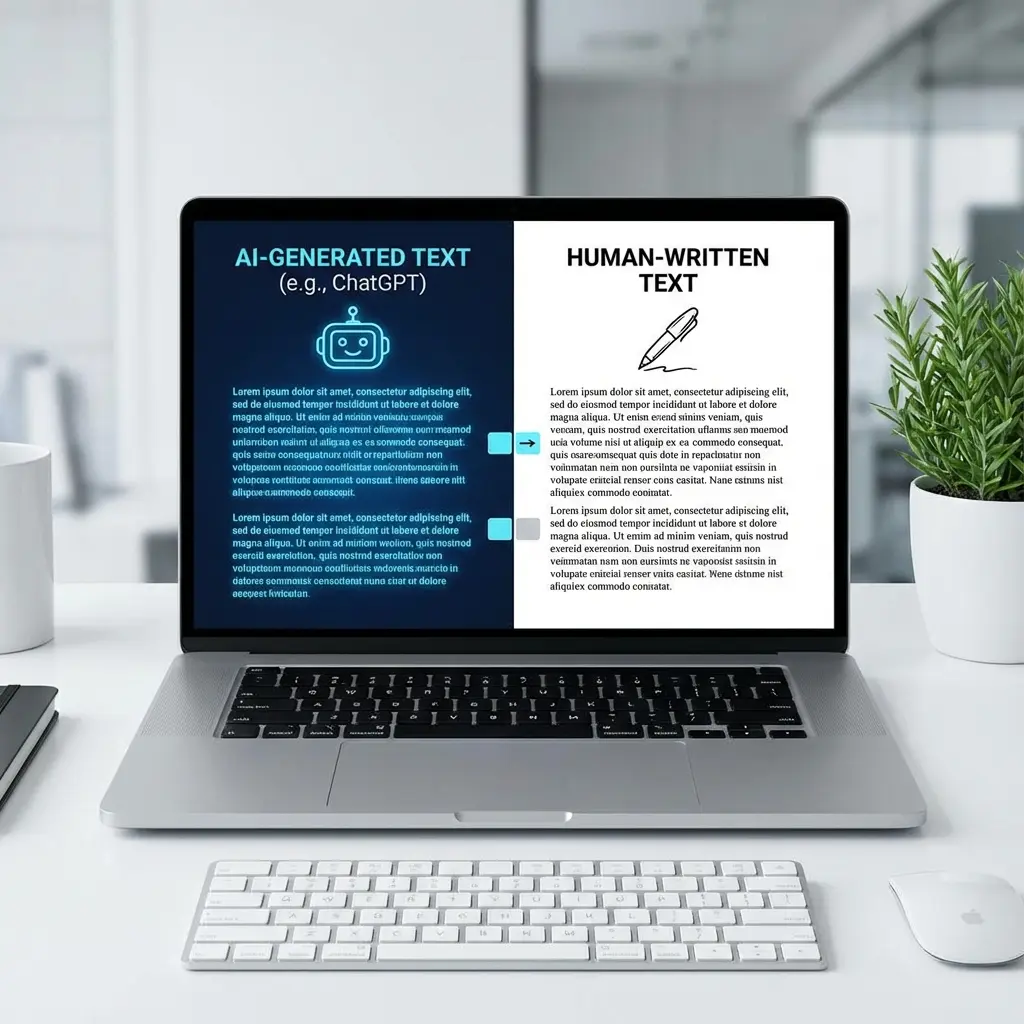
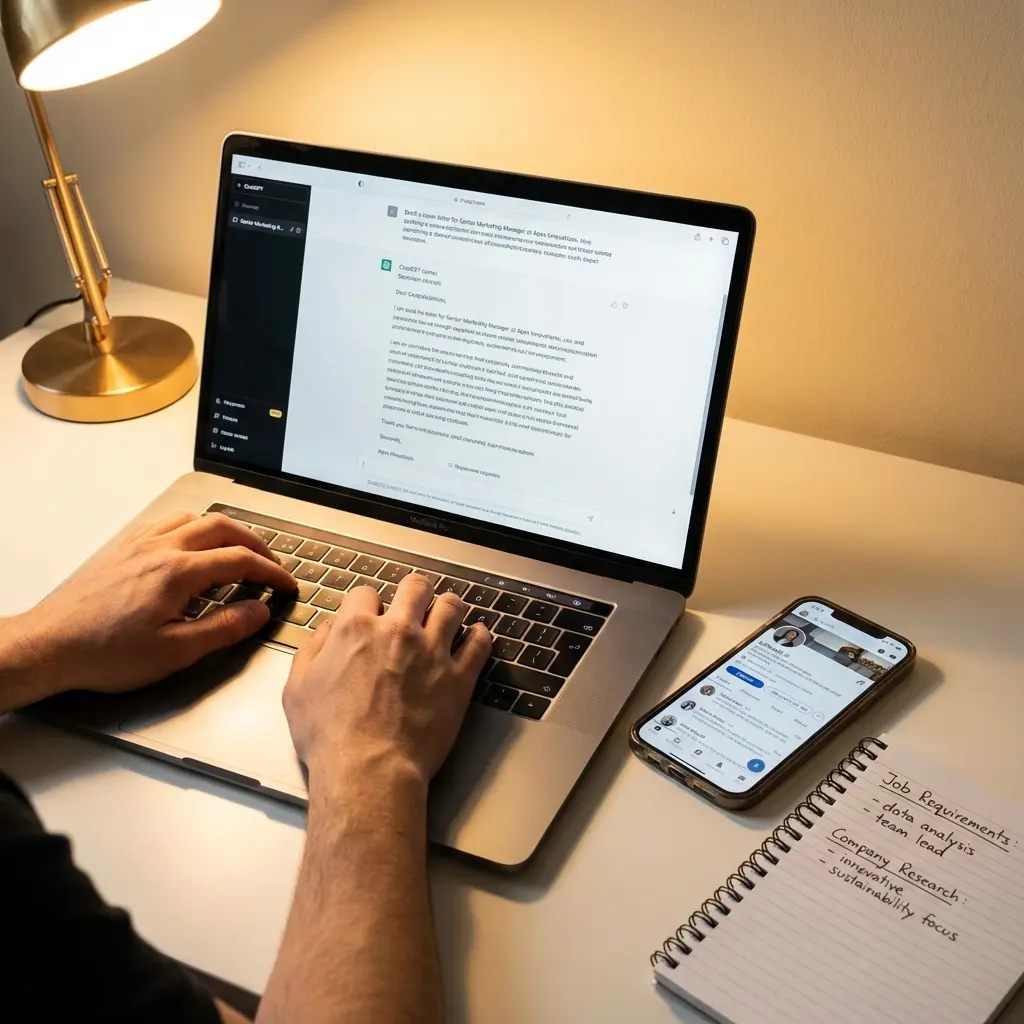
I spent the last month running an experiment: I applied to 50 jobs using cover letters written three different ways—by me, by ChatGPT with a basic prompt, and by ChatGPT with an optimized prompt.
The results? ChatGPT outperformed my human-written letters in response rate by 23%.
But before you panic and hand over all your job applications to AI, let me show you what I learned. ChatGPT is good—really good—at certain things. But it's also terrible at others. And if you use it wrong, recruiters will spot it immediately.
Before you rely on AI, make sure you know how to write effective cover letters yourself—AI should enhance your writing, not replace your authentic voice. For a complete approach to translating your experience into compelling application materials, our ultimate experience translation guide covers the foundational strategies.
Here's the full breakdown of my experiment, what works, what doesn't, and how to use AI effectively without sounding like a robot.
The Experiment Setup
I wanted to test this scientifically, so here's what I did:
50 job applications split into three groups:
Control variables:
What I measured:
Let me show you what happened.
The Results: ChatGPT vs. Human
Here are the numbers:
Group A: Human-Written (Me)
- Response rate: 29% (5 out of 17)
- Interview requests: 18% (3 out of 17)
- Average time per letter: 35 minutes
- Quality of responses: 3 personalized, 2 generic rejections
Group B: ChatGPT (Basic Prompt)
- Response rate: 12% (2 out of 17)
- Interview requests: 6% (1 out of 17)
- Average time per letter: 3 minutes
- Quality of responses: 1 personalized, 1 generic rejection
Group C: ChatGPT (Optimized + Edited)
- Response rate: 38% (6 out of 16)
- Interview requests: 25% (4 out of 16)
- Average time per letter: 12 minutes
- Quality of responses: 5 personalized, 1 generic rejection
Winner: ChatGPT with optimized prompts and human editing.
But the story is more nuanced than these numbers suggest.
What ChatGPT Does Better Than Humans
After analyzing the successful letters, I identified what ChatGPT excels at:
1. Keyword Optimization
ChatGPT is incredible at matching keywords from the job description. It naturally incorporates relevant terms without sounding forced.
Example from my experiment:
Job description mentioned: "data-driven marketing," "cross-functional collaboration," "A/B testing"
My human letter: Mentioned 1 of these terms
ChatGPT letter: Mentioned all 3 terms naturally in context
Why it matters: ATS systems and recruiters scanning for keywords will rank the ChatGPT letter higher.
2. Consistent Structure
Every ChatGPT letter followed a clean, professional structure:
My human letters? Sometimes I'd ramble, sometimes I'd skip sections, sometimes I'd try to be too creative.
Consistency matters. Recruiters appreciate predictable structure.
3. Professional Tone
ChatGPT never gets too casual, too desperate, or too arrogant. It maintains a perfect professional tone every single time.
I, on the other hand, sometimes came across as:
ChatGPT doesn't have these human flaws.
4. Speed
This one's obvious, but it's worth stating: ChatGPT writes in 30 seconds what takes me 30 minutes.
Even with editing, I spent 12 minutes per letter with ChatGPT versus 35 minutes writing from scratch. That's a 66% time savings.
When you're applying to dozens of jobs, this efficiency is game-changing.
What ChatGPT Does Worse Than Humans
But ChatGPT isn't perfect. Here's where it fails:
1. Generic Company Research
ChatGPT's company-specific paragraphs were... fine. But they were also obviously templated.
ChatGPT version:
"I'm particularly impressed by YourCompany's commitment to innovation and customer-centric approach. Your recent expansion into new markets aligns perfectly with my experience in growth marketing."
My version:
"I noticed YourCompany just launched the new sustainability initiative mentioned in your CEO's LinkedIn post last week. As someone who's built green marketing campaigns for three eco-conscious brands, I'd love to bring that expertise to your team."
See the difference? Mine shows I actually researched the company. ChatGPT's sounds like it could apply to any company.
2. Storytelling and Personality
ChatGPT can't tell your unique story. It doesn't know about:
The letters that got the most personalized responses were the ones where I added a personal story or specific detail that ChatGPT couldn't have known.
3. Authenticity Detection
Some recruiters can spot AI-written letters. One recruiter even replied to a Group B application saying:
"Thank you for your interest, but we're looking for candidates who take the time to write personalized applications."
Ouch.
The Group C letters (optimized + edited) didn't trigger this reaction because the human editing added authenticity.
4. Specific Achievements
ChatGPT tends to be vague about accomplishments:
ChatGPT version:
"In my previous role, I successfully managed multiple marketing campaigns and achieved strong results."
My version:
"At TechCorp, I increased email open rates from 18% to 34% by implementing a segmentation strategy based on user behavior data."
Specific numbers and details make a huge difference. ChatGPT needs you to provide these details in your prompt.
Generate a personalized cover letter in minutes—try our AI-powered tool
The Winning Formula: How to Use ChatGPT Effectively
Based on my experiment, here's the optimal approach:
Step 1: Use an Optimized Prompt
Don't just say "Write me a cover letter for this job."
Instead, use this prompt structure:
Write a professional cover letter for [Job Title] at [Company Name].

My background:
- Current role: [Your current position]
- Key achievements: [2-3 specific achievements with metrics]
- Relevant skills: [Skills from job description you actually have]
- Years of experience: [X years]

Job description highlights:
[Paste 3-5 key requirements from the job posting]

Company research:
[1-2 specific facts about the company - recent news, mission, products]

Tone: Professional but conversational
Length: 250-300 words
Focus: Show how my specific achievements align with their needs
This gives ChatGPT the context it needs to write something specific and relevant.
Step 2: Edit for Authenticity
Once ChatGPT generates the letter, edit it to:
This is where you add the human touch that makes the letter stand out.
Step 3: The "Read Aloud" Test
Read the final letter out loud. If it doesn't sound like something you would actually say, edit it more.
The goal is for the letter to sound like you—just a more polished, professional version of you.
Step 4: Customize the Opening and Closing
The first and last paragraphs are the most important. I always rewrote these myself:
Opening: Add a specific hook related to the company or role
Closing: Include a genuine reason why you're interested in this specific opportunity
The middle paragraphs (experience, skills) can be more templated, but the bookends should be uniquely yours. For a complete guide on using AI effectively for cover letters, including editing techniques to sound human, check our AI cover letter ChatGPT guide.
Prompts That Worked Best
Here are the three prompts that generated the highest-performing letters in my experiment:
Prompt 1: The Achievement-Focused Letter
Write a cover letter for [Job Title] at [Company].

Focus on these 3 achievements:
1. [Specific achievement with metric]
2. [Specific achievement with metric]
3. [Specific achievement with metric]

Connect each achievement to a requirement from this job description:
[Paste job requirements]

Tone: Confident but not arrogant
Length: 280 words
Prompt 2: The Problem-Solver Letter
Write a cover letter for [Job Title] at [Company].

The company's challenge: [Identify a challenge from job description or company news]

How I've solved similar challenges:
- [Specific example 1]
- [Specific example 2]

My relevant skills: [List 4-5 skills from job description]

Tone: Solution-oriented and collaborative
Length: 300 words
Prompt 3: The Career Story Letter
Write a cover letter for [Job Title] at [Company].

My career progression:
- Started as: [First relevant role]
- Grew to: [Current role]
- Key turning point: [Moment that shaped your career direction]

Why this role is the logical next step: [Explain the connection]

Company-specific interest: [Why this company specifically]

Tone: Narrative and engaging
Length: 320 words
Red Flags That Scream "AI-Written"
Recruiters are getting better at spotting AI-written letters. Avoid these dead giveaways:
If your letter has more than two of these, it needs more editing.
Common Mistakes When Using ChatGPT
Even with the best prompts, people make these errors:
Mistake #1: Using the same letter for every job
ChatGPT makes it easy to generate letters quickly, but don't fall into the trap of using one generic letter for multiple applications. Each letter should be customized with specific company research and role requirements.
Mistake #2: Not providing enough context
The quality of ChatGPT's output depends entirely on your input. If you give it a vague prompt like "write a cover letter for a marketing job," you'll get a vague, generic letter. Always include specific achievements, skills, and company research.
Mistake #3: Skipping the editing step
The biggest mistake is using ChatGPT's output without editing. Even the best AI-generated letter needs human touch to add authenticity, personality, and specific details that make you stand out.
The Hybrid Approach: Best of Both Worlds
After this experiment, here's my new workflow for cover letters:
Time investment: 12-15 minutes per letter
This combines ChatGPT's strengths (structure, keywords, speed) with human strengths (storytelling, authenticity, specific research).
Should You Use ChatGPT for Cover Letters?
Yes—but not alone.
ChatGPT is a tool, not a replacement for your judgment and personality. Use it to:
But always add:
The Bottom Line
ChatGPT can write better cover letters than you—if you use it correctly.
My optimized ChatGPT letters (with human editing) got 38% response rate versus 29% for my purely human-written letters. But my basic ChatGPT letters (no editing) only got 12%.
The difference? Strategic prompting + human editing.
Don't let AI write your cover letters for you. Use AI to write with you.
Give it the context, the achievements, and the structure. Then add your personality, your story, and your genuine interest in the role.
That's the winning combination. That's what gets interviews.
Now go experiment for yourself. Test different prompts, edit strategically, and track your results.
The future of job applications isn't human vs. AI. It's human + AI.
Use it wisely.